Digital Wallets Transform Transaction Dynamics in Unified Gaming Platforms Featuring Embedded Oversight Tools
Ulrich Günther · Nov 1, 2026
Digital Wallets Transform Transaction Dynamics in Unified Gaming Platforms Featuring Embedded Oversight Tools
Integrated gaming platforms now rely on digital wallets to handle payments across multiple game types, virtual economies, and user accounts while maintaining continuous monitoring functions. These systems combine instant transfers with automated compliance checks that track spending limits, verify identities, and flag unusual activity without interrupting play sessions. Data from industry reports show transaction volumes through digital wallets in gaming environments grew steadily between 2023 and 2025, with further acceleration expected by November 2026 as more platforms adopt unified payment layers.
Core Mechanics Behind Wallet Integration
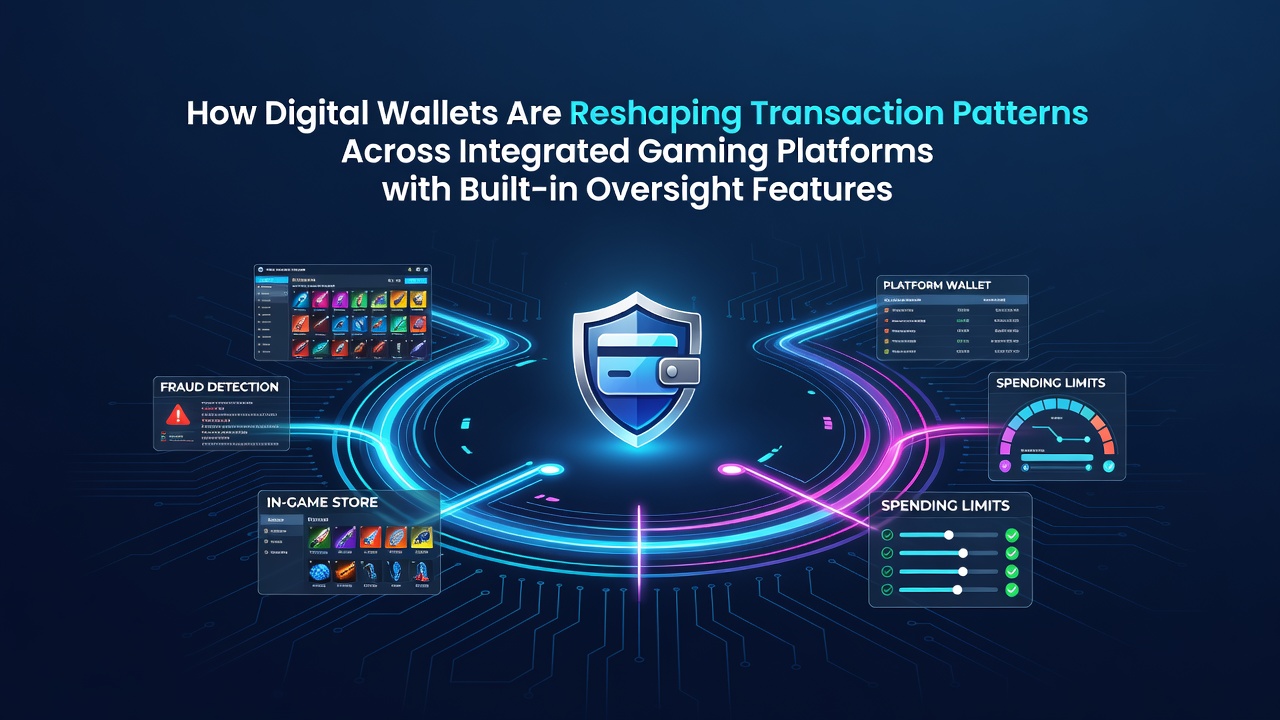
Digital wallets connect directly to player profiles on platforms that host slots-style mechanics, live dealer experiences, sports-style wagers, and competitive esports titles all within one ecosystem. Each wallet stores funds, processes deposits and withdrawals, and logs every movement through centralized ledgers that oversight modules scan in real time. Researchers at several European universities documented how these ledgers reduce reconciliation errors by linking every transaction to verified user data and predefined spending thresholds.
Platforms activate built-in oversight by embedding rule sets into the wallet software itself. When a transaction exceeds preset parameters the system pauses the transfer, notifies the user, and routes the record to compliance teams for review. This approach replaces separate banking gateways with a single point of control that maintains records across all game categories and device types.
Shifts in User Transaction Patterns
Observers note that players now complete deposits and cashouts in fewer steps than before because wallets eliminate repeated entry of card details or bank information. Average session deposit frequency rose while individual amounts became smaller and more frequent, according to transaction data compiled by North American gaming associations. The same data sets reveal that withdrawal requests processed through digital wallets clear in under two hours on most integrated platforms, compared with longer windows when external processors handled the flow.
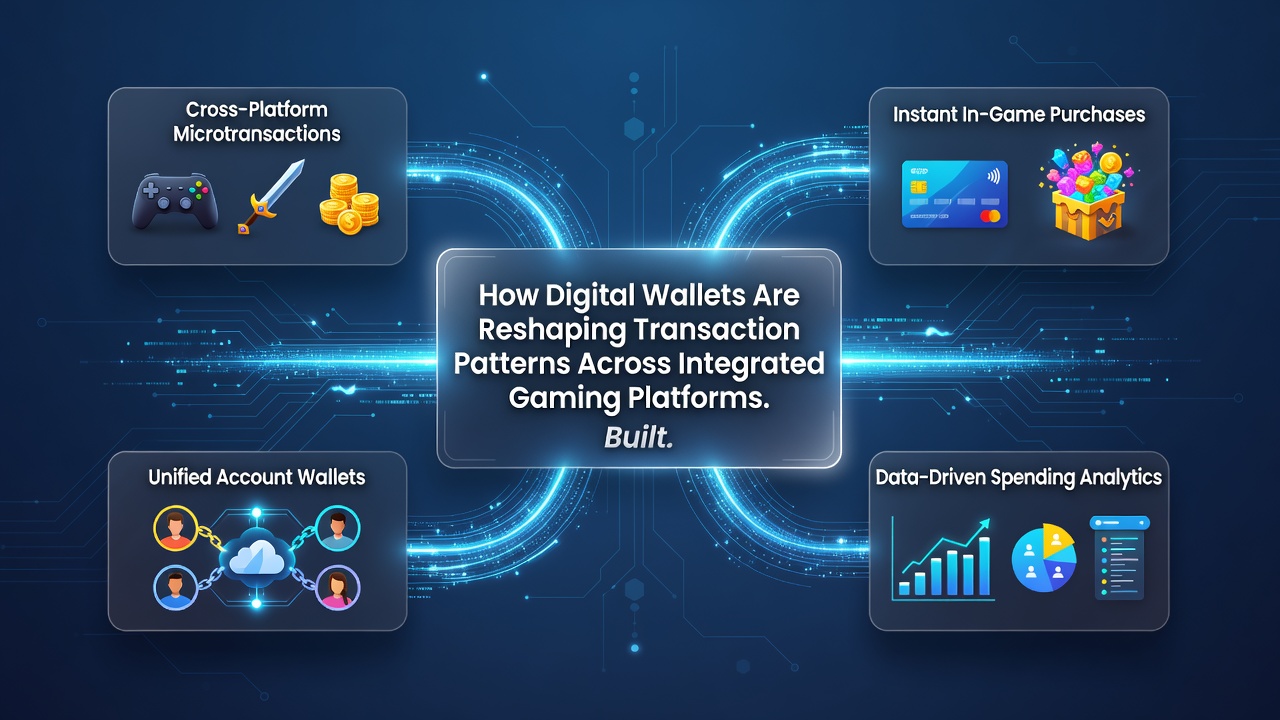
Cross-platform play further changes patterns because one wallet balance supports activity in multiple titles without manual transfers between separate accounts. Players move funds from a main balance into specific game modules, then return unused portions automatically at session end. This seamless movement reduces friction yet keeps every transfer visible to oversight algorithms that compare behavior against historical norms for that account.
Regulatory and Security Framework Developments
Government agencies in Canada and Australia have issued guidance requiring digital wallet providers serving gaming platforms to maintain audit trails that regulators can access on demand. These requirements align with broader financial technology standards that emphasize data encryption, multi-factor authentication, and regular penetration testing. Industry groups such as the Entertainment Software Association published summaries showing that platforms adopting these measures report fewer disputed transactions and lower rates of chargebacks.
Built-in oversight also supports geographic restrictions by checking device location and IP data against approved regions before authorizing transfers. When November 2026 arrives, several platforms plan to expand these controls to include real-time tax calculation modules that deduct applicable amounts at the point of withdrawal rather than requiring separate filings.
Impact on Platform Architecture
Developers redesign backend systems around wallet APIs that handle both financial operations and compliance checks in the same call stack. This integration shortens development cycles because new game titles inherit existing payment and monitoring features instead of building them separately. Case studies from platform operators indicate deployment times for new titles dropped by roughly 30 percent once wallet layers became standard.
Security teams now monitor wallet activity through dashboards that aggregate signals from all connected games. Unusual patterns such as rapid fund movement between unrelated accounts trigger automated reviews while still permitting routine play. The approach maintains platform responsiveness because oversight processes run on parallel infrastructure rather than blocking the main transaction path.
Future Outlook Through Late 2026
Analysts project continued growth in digital wallet usage as more regions update rules around virtual currencies and in-game economies. Academic papers from institutions in Asia and Europe examine how oversight features might evolve to include predictive analytics that identify potential overspending before it occurs. These studies emphasize the importance of transparent data handling so users retain visibility into how their transaction history influences automated decisions.
Platform operators continue testing additional wallet features such as scheduled transfers and goal-based saving tools that integrate directly with oversight parameters. The combination of speed, traceability, and embedded controls positions digital wallets as central infrastructure rather than optional add-ons in the gaming sector.
Conclusion
Digital wallets have become the primary conduit for value movement inside integrated gaming platforms because they deliver rapid transfers while embedding oversight directly into the transaction layer. Transaction patterns show smaller, more frequent movements across multiple game types supported by unified balances and automated compliance checks. Regulatory updates scheduled around November 2026 will likely reinforce these structures as platforms expand monitoring capabilities and refine user controls. The result is a payment environment where convenience and accountability operate within the same technical framework.