Elite Casino Loyalty Programs: How Tiered Memberships Use Betting Limits and Deposit Caps for Sustained Participation
Casey Wagner · Oct 4, 2026
Elite Casino Loyalty Programs: How Tiered Memberships Use Betting Limits and Deposit Caps for Sustained Participation
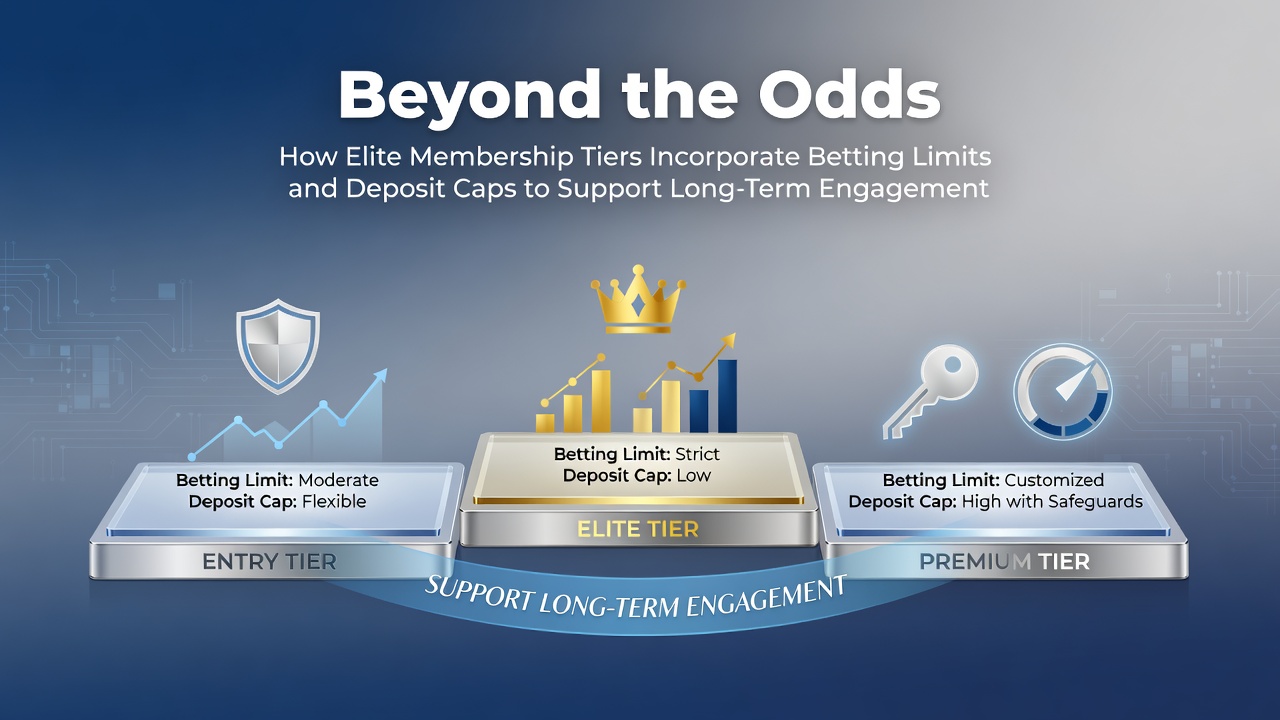
Elite membership tiers in casino operations integrate structured betting limits and deposit caps as core components of their loyalty frameworks, and these mechanisms help maintain consistent player activity over extended periods rather than encouraging rapid, high-volume sessions. Observers note that such features appear in programs operated by major platforms where participants advance through ranks based on play volume, yet the systems cap individual wagers and total deposits at tier-specific thresholds to align with regulatory expectations and operational data.
Structure of Tiered Membership Systems
Many casino loyalty programs organize participants into multiple levels that unlock incremental benefits while embedding financial guardrails at each stage, and entry-level tiers often start with modest deposit caps around several hundred units per day alongside bet maximums that scale with account history. Higher tiers adjust these parameters upward based on verified activity patterns, which creates a progression path that rewards steady involvement without removing boundaries entirely. Data from industry analyses shows these adjustments occur through automated monitoring tools that review transaction histories and adjust caps accordingly, while participants receive notifications when approaching their personalized thresholds.
Implementation of Betting Limits Across Tiers
Betting limits function as per-game or per-session restrictions that prevent single wagers from exceeding predefined amounts tied to a player's tier status, and these rules apply uniformly across slots, table games, and sports betting interfaces where available. Research indicates that operators calibrate these limits using aggregated player data to balance excitement with longevity, since unlimited high-stakes options tend to concentrate activity into shorter bursts that reduce overall retention metrics. One case from platforms in regulated markets demonstrates how elite tiers permit elevated limits only after players demonstrate consistent lower-tier compliance, which encourages gradual escalation rather than abrupt jumps in exposure.
Deposit Caps and Their Role in Engagement Patterns
Deposit caps restrict the total funds a player can add to an account within daily, weekly, or monthly windows, and these boundaries often tighten or loosen depending on the tier achieved through verified playtime and spend consistency. Figures from various gaming jurisdictions reveal that such caps correlate with extended account lifespans because they prompt users to pace their activity and return over multiple sessions instead of exhausting available funds quickly. What's interesting here is how operators link these caps to bonus structures, where reaching a higher tier might expand the cap slightly while still requiring adherence to the new ceiling to unlock further rewards.

Turnout data collected across multiple platforms suggests players in capped tiers exhibit higher repeat login rates compared to uncapped accounts, and this pattern holds when operators combine the limits with transparent communication about remaining allowances. Those who've examined retention statistics across different regions observe that deposit caps integrated into elite programs reduce early-stage drop-off by aligning player expectations with sustainable spending rhythms.
Regulatory Context and Operational Adjustments in 2026
Updates scheduled for implementation in October 2026 across several international markets require operators to document how tiered limits align with responsible gaming standards, and these requirements push platforms to refine their cap structures using verified third-party audits rather than internal estimates alone. A report from the National Council on Problem Gambling outlines similar approaches in North American jurisdictions where tiered systems must demonstrate measurable effects on session duration and frequency. Meanwhile, analyses from the Australian Institute of Family Studies highlight comparable findings in Oceania markets, where deposit caps tied to loyalty progression have shown associations with prolonged account activity without corresponding increases in problem indicators.
Player Progression and Limit Adjustments
Advancement through tiers typically involves meeting play thresholds that trigger automatic reviews of betting and deposit parameters, and this process allows operators to scale limits in response to demonstrated player behavior rather than fixed formulas. Experts have observed that successful programs notify users well in advance of any cap changes, which maintains trust and encourages continued participation within the adjusted boundaries. And because these adjustments occur gradually, players experience them as natural extensions of their engagement level instead of abrupt restrictions.
Conclusion
Elite membership tiers incorporate betting limits and deposit caps as integrated tools that support extended player involvement across casino platforms, and available data from multiple regulatory environments confirms these features contribute to steadier activity patterns when calibrated appropriately. Operators continue refining these systems ahead of the October 2026 compliance deadlines, while external research from organizations in the United States and Australia provides benchmarks for evaluating their effectiveness in fostering sustainable participation over time.