Reward Ladders Meet Safety Triggers: How Integrated Features Guide Play Across Mobile Slots, Tables, and Wagers
Ines Baumann · Oct 18, 2026
Reward Ladders Meet Safety Triggers: How Integrated Features Guide Play Across Mobile Slots, Tables, and Wagers
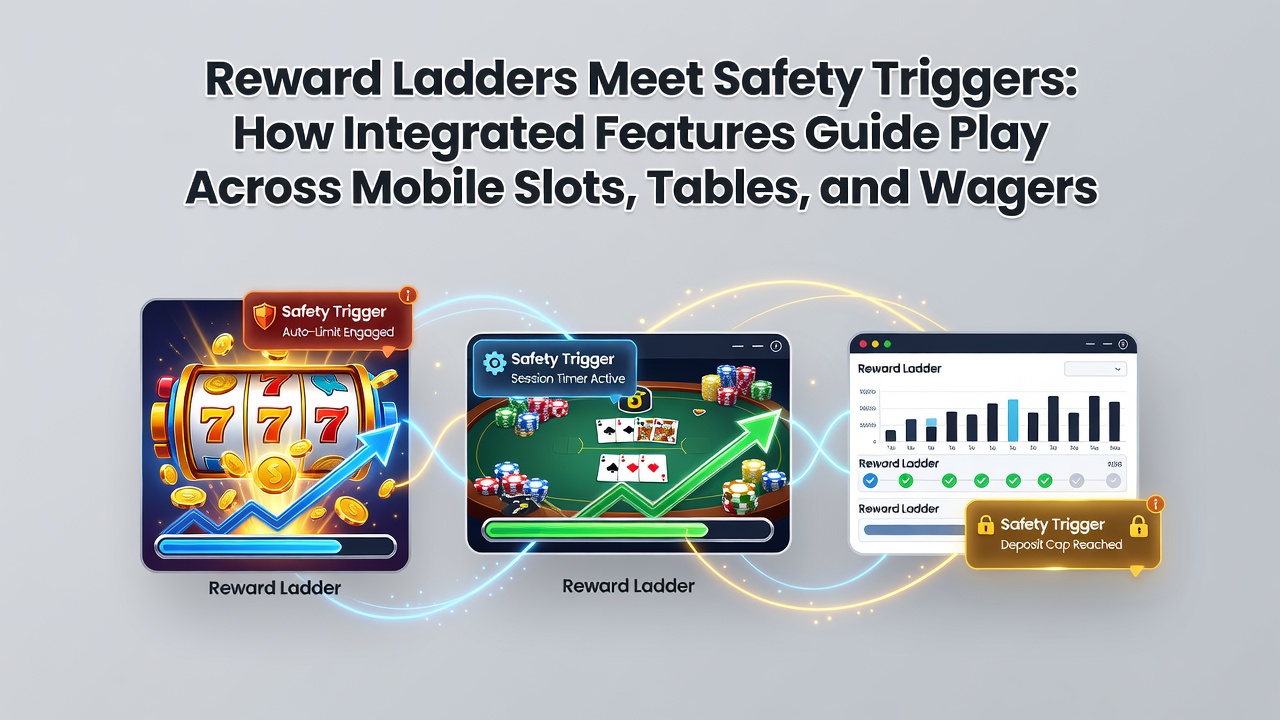
Platform developers have built systems where loyalty progression ties directly into player protection tools, creating pathways that adjust rewards based on activity patterns across mobile slots, table games, and sports wagers. These setups track cumulative play while monitoring thresholds that activate limits or reminders without interrupting the session flow.
Mechanics of Reward Ladders in Mobile Environments
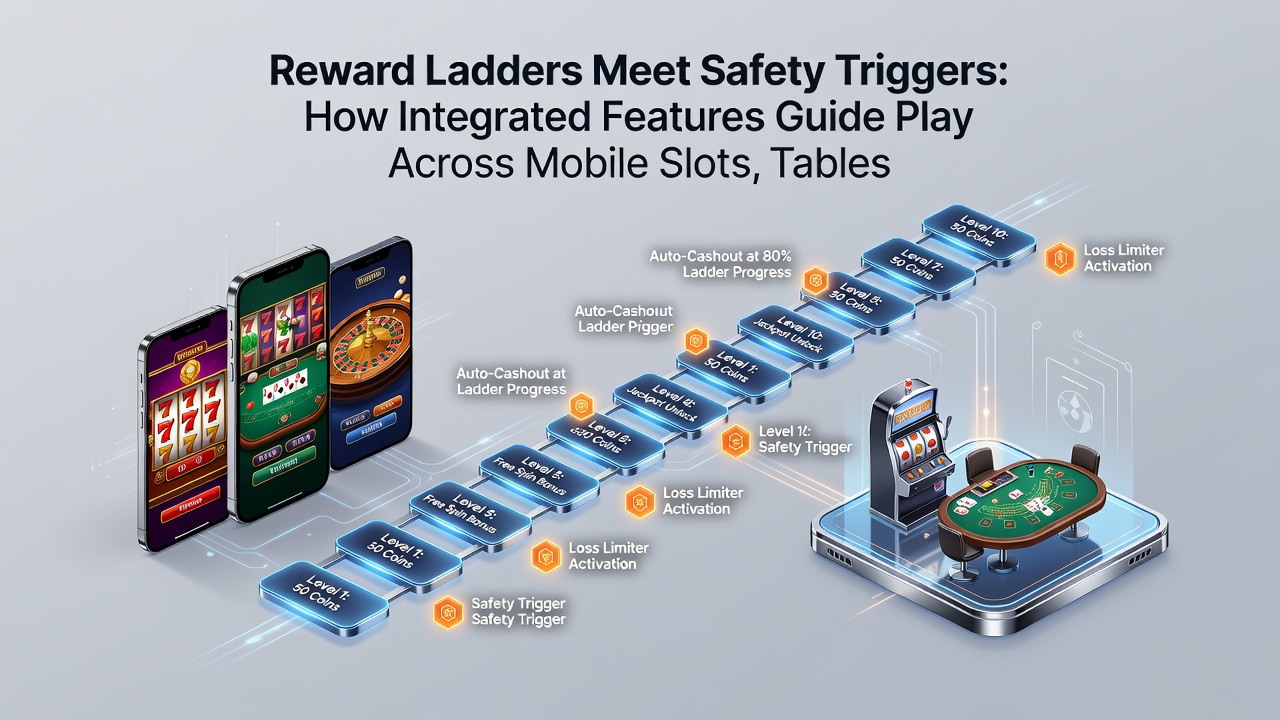
Operators structure tiered programs so users advance through levels by accumulating points from varied game categories, with each rung unlocking higher cashback percentages, exclusive bonuses, and faster withdrawal processing. Data from industry reports shows these ladders often reset or recalibrate monthly, encouraging consistent engagement across slots with high volatility and steadier table game sessions. Players reach mid-tier status after meeting combined wagering requirements that span real-money bets on roulette wheels and accumulator wagers on sports events.
Integration occurs through backend algorithms that sync loyalty data with account profiles, allowing instant reflection of progress on mobile dashboards. One developer implemented a points multiplier during promotional windows in October 2026 that applied equally to live dealer tables and virtual slot reels, yet the same system flagged extended sessions exceeding predefined durations and prompted voluntary cool-down options.
Safety Triggers Embedded Within Progression Systems
Safety features activate at specific loyalty milestones or when behavioral indicators align with risk patterns, such as rapid deposit sequences followed by extended play on high-stakes tables. These triggers include deposit caps that scale with tier level, reality checks that display net win-loss summaries, and temporary feature locks on bonus rounds once daily loss thresholds are crossed. Researchers at institutions like the University of Nevada Reno have documented how such combined mechanisms reduce session lengths in controlled trials involving mixed game portfolios.
Because the systems operate in real time, a user climbing the reward ladder through consistent slots play might encounter an automatic wager restriction on sports markets if total exposure hits a preset ceiling. This linkage prevents unchecked escalation while preserving access to lower-stakes table options that still contribute toward the next tier.
Application Across Slots, Tables, and Sports Wagers
Slot games contribute frequent small increments to loyalty meters because of their rapid spin cycles, while table games add larger point blocks per hand or round completed. Sports wagers integrate through odds multipliers that convert settled bets into tier credits, creating balanced progression regardless of preferred vertical. Observers note that unified tracking allows a player focused on blackjack tables to maintain momentum toward VIP status even when diverting time to accumulator bets on football matches.
Triggers adapt contextually: high-frequency slot sessions might trigger spin-rate slowdowns or mandatory break suggestions, whereas table game streaks could activate card-counting limiters or bet-size caps. Sports wager safety elements often involve odds-based alerts when cumulative stake amounts approach personal boundaries set at account creation. The American Gaming Association has referenced similar cross-category monitoring in its annual responsible gaming summaries, highlighting reduced incidence of simultaneous high-volume activity across multiple game types.
Technical Implementation and Regulatory Alignment
Developers use API connections between loyalty engines and compliance modules so that any safety action updates the visible reward status immediately. For instance, a self-imposed session limit enforced during peak evening hours in October 2026 automatically pauses point accrual until the restriction lifts, yet historical progress remains visible. Canadian regulatory frameworks through bodies such as the Alcohol and Gaming Commission of Ontario require operators to demonstrate these linkages function without bias toward continued play.
Testing protocols verify that safety interventions do not inadvertently stall legitimate progression for low-risk users, while still catching patterns that correlate with elevated harm indicators across the full spectrum of mobile offerings. This balance relies on machine-learning models trained on anonymized datasets from multiple jurisdictions.
Conclusion
Integrated reward and safety architectures continue to evolve as mobile platforms expand their game libraries and user bases. The linkage ensures that advancement through loyalty structures remains compatible with protective boundaries, delivering structured play environments across slots, tables, and wagers. Ongoing refinements in October 2026 and beyond focus on predictive adjustments that personalize both reward pacing and trigger sensitivity based on individual account histories.